Must-Have Features for Your Whole Home Generator System
As a homeowner, you know the comfort and security that come from being ready for emergencies. In regions susceptible to severe weather conditions or unexpected power outages, a whole home generator system isn't just a luxury—it's a necessity. But since so many options are available, you may feel overwhelmed trying to decide which features are crucial for your backup power setup.
To help you along your shopping journey, we'll guide you through the must-have features of a whole-home generator system to ensure your lights stay on when the grid goes dark.
Why Invest in a Whole Home Generator System?
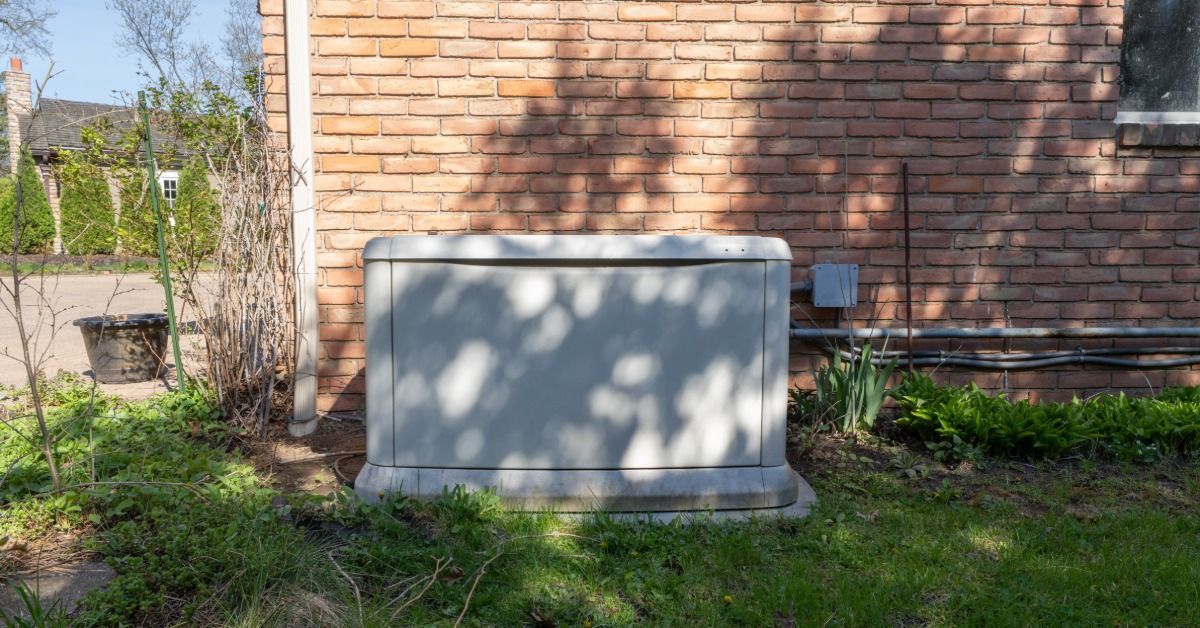
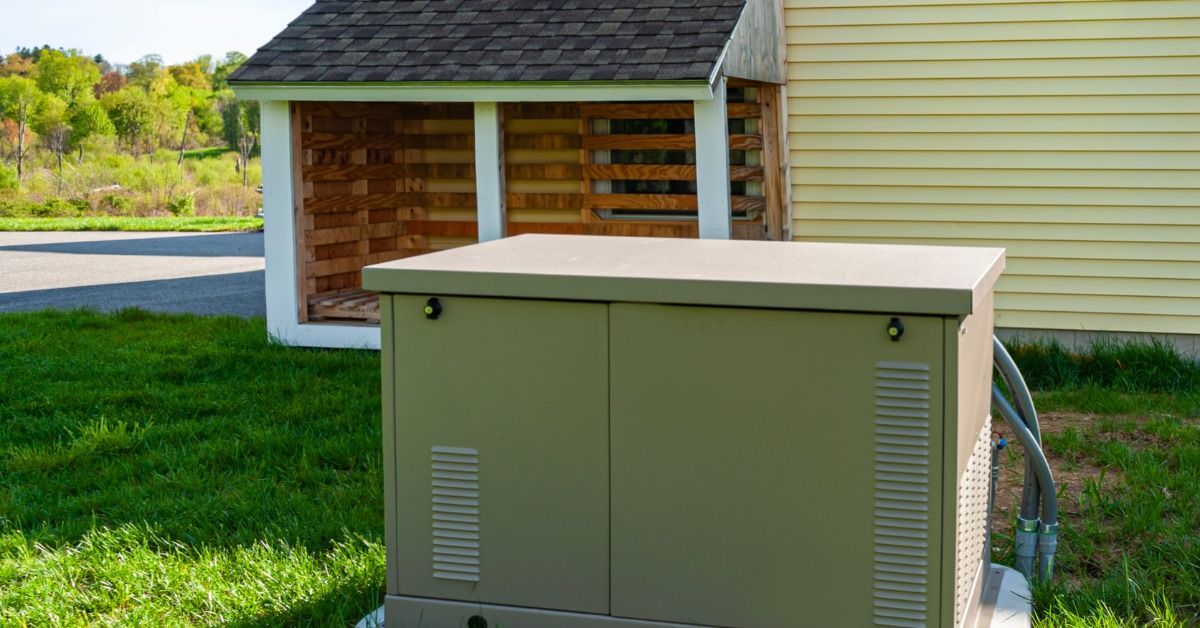
Unlike portable generators that power select devices, a whole home generator system keeps all your essential electrical circuits up and running. From the refrigerator to the HVAC system and everything in between, whole home generators maintain the comfort and functionality of your living space during power interruptions, protecting you against food spoilage, extreme temperatures, and other inconveniences.
Key Features To Consider
When you’re planning to install a whole-home generator system, several key features demand careful consideration. These features can significantly impact its efficiency and suitability for your specific needs. Make sure to explore the aspects below before making your decision.
1. Automatic Transfer Switch
One of the most critical components of a whole home generator system is the automatic transfer switch (ATS). This switch instantly transfers power from the utility to the generator when it detects a disruption, ensuring a seamless transition to backup power.
2. Fuel Type Flexibility
Your generator can run on various fuel types, including natural gas, propane, and diesel. Each fuel type has advantages and disadvantages in terms of availability, storage needs, and cost. Ideally, your generator system should allow you the flexibility to select a fuel source that is readily available in your area and fits your budget and preferences.
3. Remote Monitoring Capabilities
Another must-have feature you should consider for your home generator is the ability to control your machine from your devices. Modern generator systems often come with remote monitoring, enabling you to check on the status of your generator from anywhere using a smartphone, tablet, or computer. This feature is particularly useful if you’re away from home frequently or for extended periods. You can rest assured that your home will have power when you return.
4. Durable and Weather-Resistant Construction
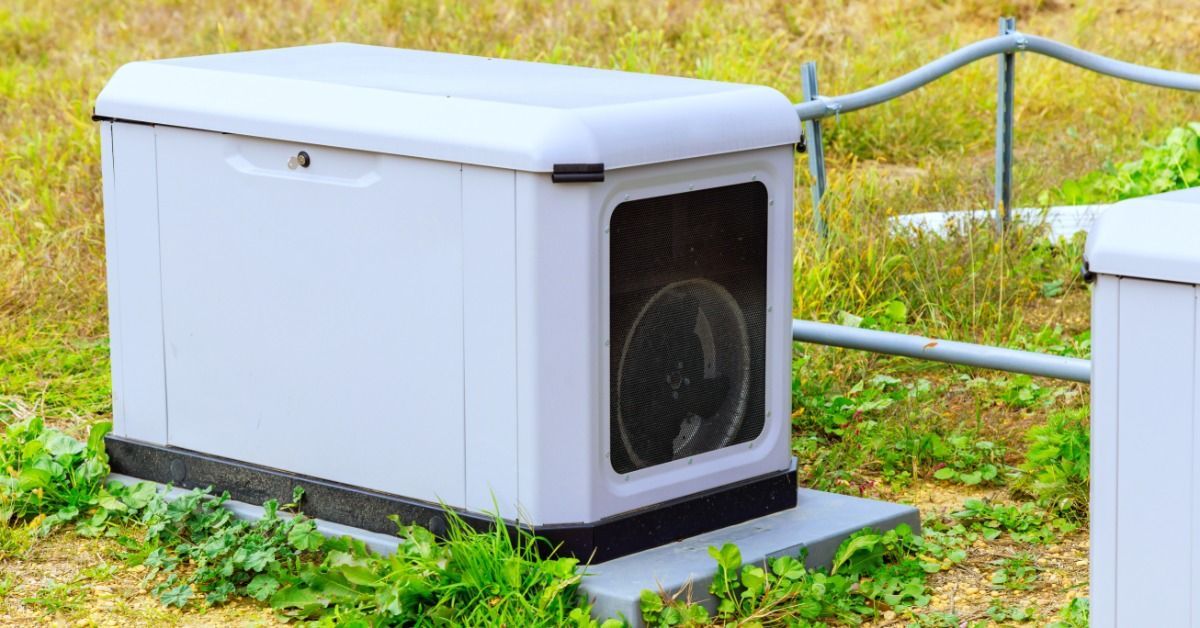
Your whole home generator will face harsh weather conditions. Thus, it needs to be resilient. Look for generators housed in durable, corrosion-resistant enclosures that can withstand high winds and extreme temperatures. UV-resistant paint and coatings can also help protect the generator from sun damage.
Stay Powered, Stay Prepared
A whole home generator system is about more than convenience; it's about safety, peace of mind, and maintaining a semblance of normalcy during unexpected power outages. By choosing a system with these must-have features, you'll ensure that your house remains a sanctuary, even when disaster strikes.
Don't leave your home's power security to chance. For high-quality installation services, consider reaching out to NW Generator's team of expert Generac generator installers. With top-of-the-line units and professional service, you can be sure you meet your power needs with the best solutions on the market.
You might also like