How Installers Route Gas Lines for Generators
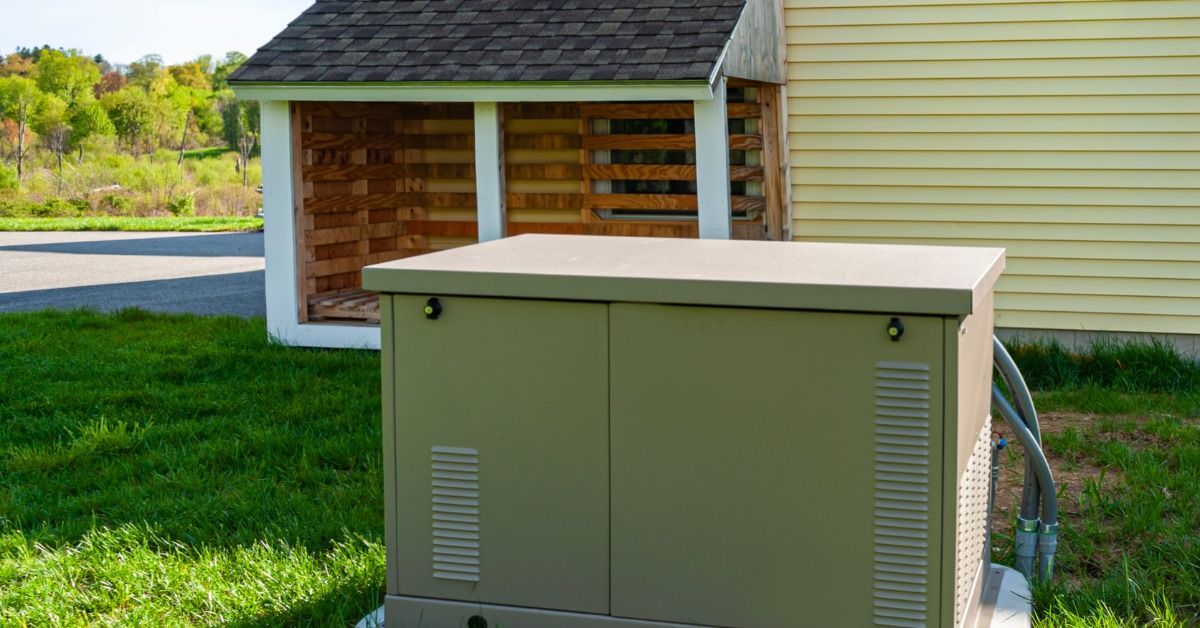
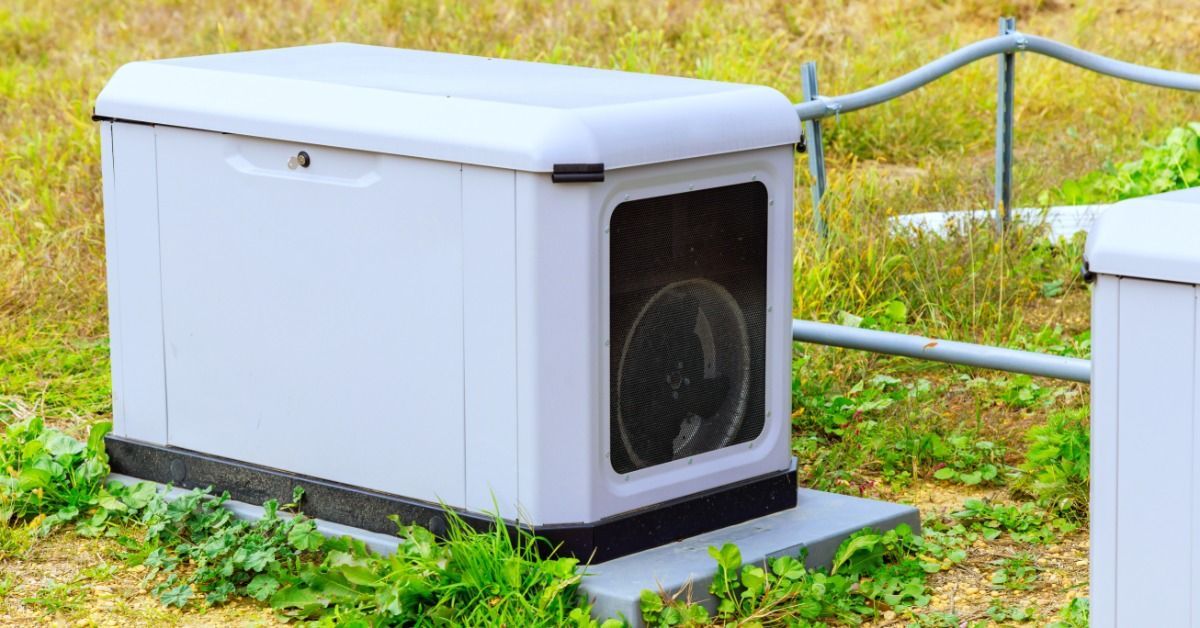
A standby generator needs a dependable fuel supply to produce power when the utility goes down. For natural gas or propane systems, that means the gas line must deliver enough fuel safely and consistently.
When installers route gas lines for generators , they must do more than simply find the shortest path between the fuel source and the generator. They must account for the property layout, generator requirements, and applicable installation standards before work begins.
What Installers Consider Before Routing a Gas Line
The process typically starts with an assessment of the existing fuel system. An installer determines whether the home uses natural gas or propane and evaluates the available fuel supply.
Generator size matters as well. Larger units can require more fuel, so installers must make sure the line can support the generator's demand without interfering with other gas appliances in the home.
Choosing a Practical Route
Installers then identify a route from the fuel source to the generator. The path must provide dependable fuel delivery while working with the home's existing layout.
A direct route may reduce unnecessary piping, but the shortest option is not automatically the right one. Walls, landscaping, utility equipment, and other property features can affect where the line can safely run.
How Gas Line Sizing Affects Generator Performance
Pipe diameter plays an important role in fuel delivery. A line that cannot provide sufficient gas volume may prevent a generator from operating as designed, particularly when electrical demand increases.
Professionals providing generator installation services in Portland, OR, can evaluate the generator specifications alongside the home's fuel system. They can then determine the appropriate line size and routing approach for the installation.
Accounting for Distance and Fuel Demand
Distance between the gas supply and generator can influence pipe sizing. Longer runs may require a different configuration to maintain adequate fuel delivery at the generator.
Installers also consider what other appliances connect to the fuel supply. A home's furnace, water heater, range, or fireplace may draw from that system, so the installation must account for the total demand.
Connecting and Testing the New Gas Line
After installers establish the ideal route for the gas lines to the generator and the proper sizing for the pipes, they connect it to the generator. The exact installation method depends on the home's configuration and whether the unit uses natural gas or propane.
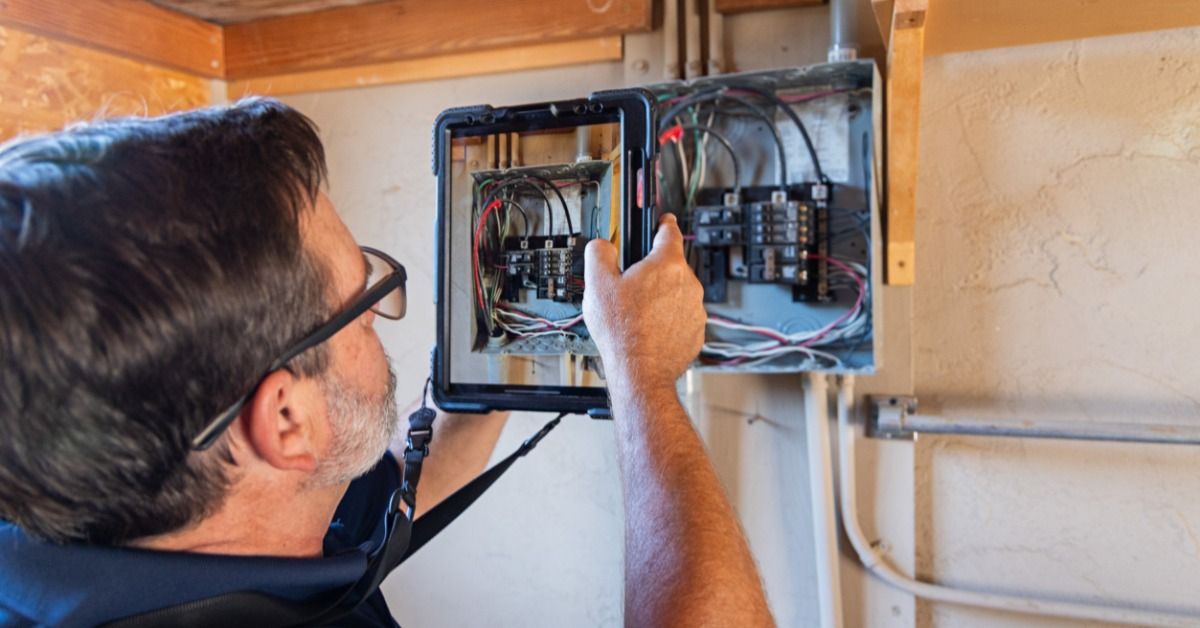
After connection, qualified professionals check the system before placing the generator into service. This step helps confirm that the fuel system can support reliable operation and that the connections meet applicable requirements.
Plan Your Generator Installation With Confidence
A properly routed gas line gives a standby generator the fuel it needs when utility power disappears. Careful planning accounts for generator capacity, the existing fuel system, and the physical layout of the property.
If you're considering a standby generator for your home, contact NW Generators to discuss your installation and determine what your property requires for a safe, dependable fuel connection.
You might also like